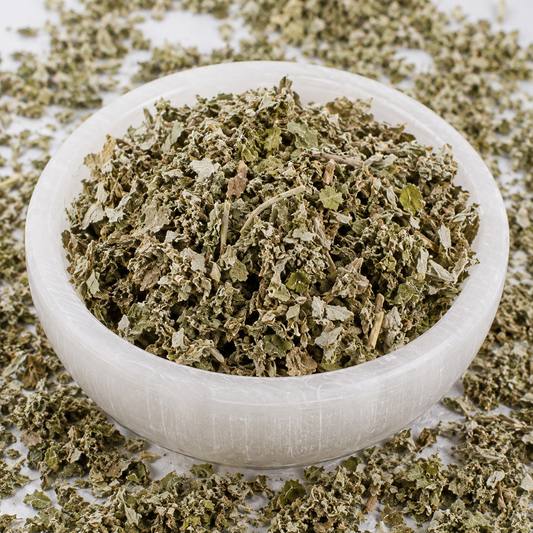
Other Names: Quina • Jesuit’s Bark • Fever Tree • Peruvian Bark
✨ Energetic & Astrological Profile
Element: Earth
Phase of the Moon: Waning Moon
Zodiac Signs: Virgo, Scorpio, Capricorn — grounding for Aries and Sagittarius
Planets: Saturn, Mars
Tarot Cards:
🌿 Strength – endurance through challenge
🪵 Judgement – healing and awakening
💊 The Tower – destruction followed by revelation
🔥 Temperance – balance and resilience through adversity
🌍 Habitat & Sensory Nature
Cinchona is native to the Andean forests of South America, flourishing in high-altitude, moist, mountainous terrain. Its bark — the bitter part used medicinally — changed global medicine forever.
Flavour: Strongly bitter
Temperature: Cooling
Humidity: Drying
Tissue State Support: Damp stagnation, heat
🧬 Phytochemistry & Herbal Actions
Constituents:
- Alkaloids (notably quinine, quinidine, cinchonine, cinchonidine)
- Tannins
- Bitter principles
- Glycosides
Primary Actions:
Antimalarial • Antipyretic (fever-reducing) • Bitter tonic • Digestive stimulant • Antiseptic • Astringent • Immunomodulating
💊 Medicinal Benefits
Cinchona is best known for its contribution to the treatment of malaria — quinine, extracted from its bark, was the first effective treatment for the disease and still forms the basis for many modern antimalarial drugs.
🌿 Fever & Infections
- Historically used to treat intermittent fevers and chills, especially malarial fevers
- Useful in cases of chronic infections and debility
- It may help reduce fever and inflammation in acute conditions
🌿 Digestive Tonic
- Stimulates digestive secretions and appetite
- Useful in convalescence after illness when digestion is sluggish
- May relieve bloating and indigestion linked to poor tone in the digestive tract
🌿 Tonic for Recovery
- Traditionally given after long illness to strengthen the constitution
- Astringent properties support tissue repair and reduce excessive secretions
Cinchona is not a daily use herb — it’s more like the strict teacher who shows up when the body's really down and out, pointing the way toward strength… bitterly.
🧘 Emotional & Energetic Benefits
Energetically, Cinchona supports those who feel depleted after a long struggle, whether physically, emotionally, or spiritually. It’s an ally for rebuilding core vitality after burnout or chronic illness.
- Helps restore energy after fever or intense emotional upheaval
- Promotes grounded strength after trauma or extended depletion
- Encourages “bitter truth” processing — facing what needs to be faced in order to move forward
🧒 Child-Friendly Use
⚠️ Not generally used for children unless under close guidance. The bark's potency, especially in its quinine content, makes it unsuitable for unsupervised or casual use.
⚠️ Contraindications
⚠ Avoid in pregnancy — may stimulate uterine contractions
⚠ Not for long-term use — prolonged or high doses of quinine can cause “cinchonism” (symptoms include tinnitus, nausea, dizziness, headache)
⚠ May interact with heart medications and blood thinners
⚠ Not suitable for those with tinnitus or auditory sensitivity
🧪 Dosage & Preparation
🌼 Tincture: 5–15 drops (1:5 in 60–70% alcohol), 1–2x daily — very bitter
🌼 Decoction: Simmer 1–2g of dried bark in water for 10–15 minutes; drink once daily as a bitter tonic
🌼 Standardised extract (quinine): Pharmaceutical use only — not recommended without clinical supervision
🛒 Shop This Herb
Cinchona products coming soon — potent bitters and immune blends inspired by ancient jungle remedies. Sign up to get notified when they drop.
🔮 Daz’s Diagnosis
If Cinchona were a person, she’d be the stern herbalist in the mountains — bitter brews, no fluff, all results.
This bark holds a legacy. It saved lives during colonisation, pandemics, and wars. And though she’s not the herb you reach for daily, when everything’s failing and your body’s crying for strength, she steps in.
She says: “I’m not here to make you feel good. I’m here to help you survive.”
Use her wisely. Honour her roots.
Disclaimer: The information shared in these plant profiles is intended for educational and inspirational purposes only. The uses and properties described are based on traditional knowledge, folk practices, and historical sources. They are not a substitute for professional medical advice, diagnosis, or treatment. Always consult with a qualified healthcare practitioner or clinical herbalist before using any herbs, especially if you are pregnant, breastfeeding, on medication, or managing a health condition.